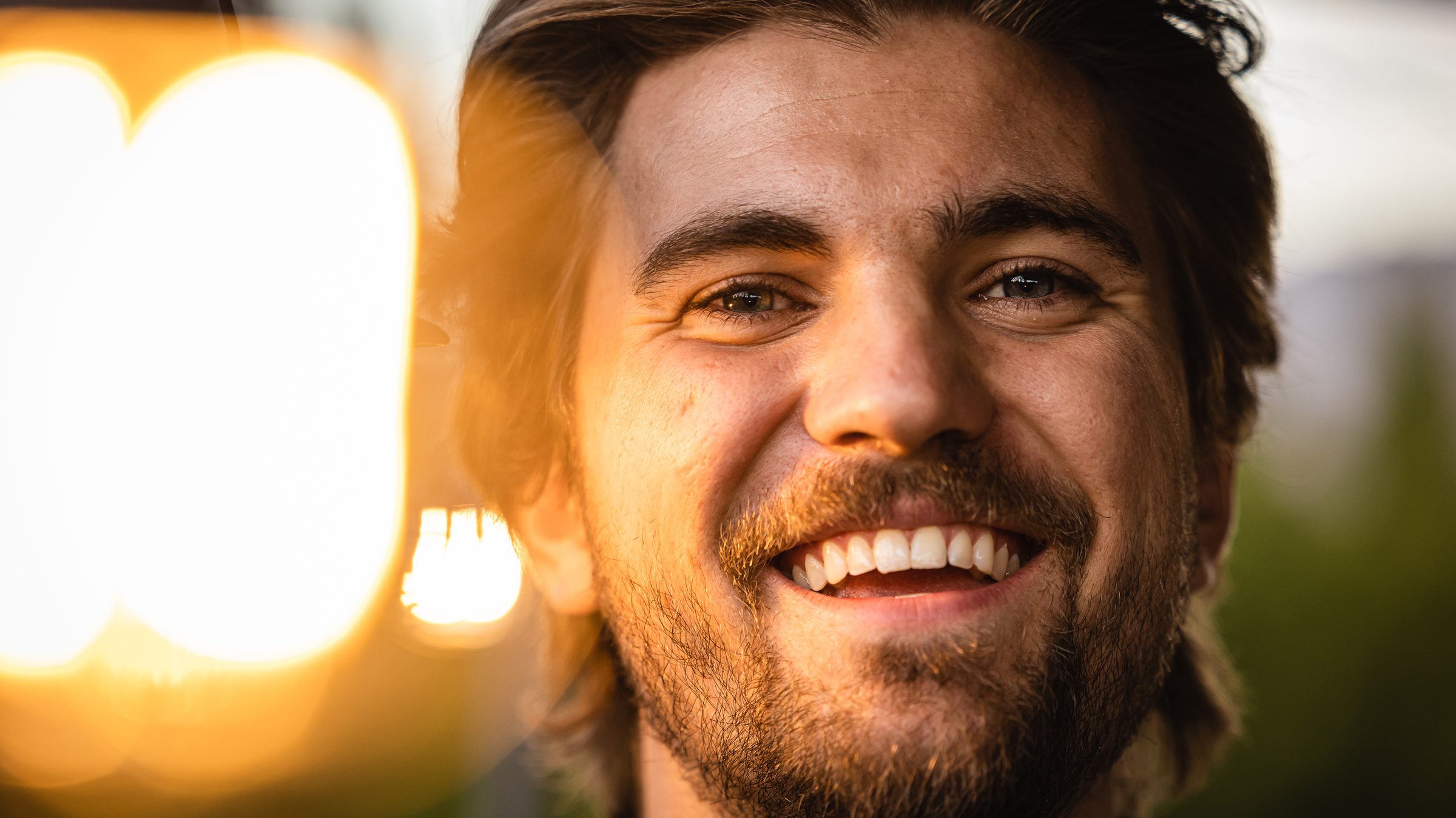
REF-01img/hero-hello.jpg · Opening portrait
If we were at war with climate change, what would we be doing differently?
I thought the answer was a perfect object.
I believed a designer could build the right tool and then make it at scale. One thing that held a whole life inside it.
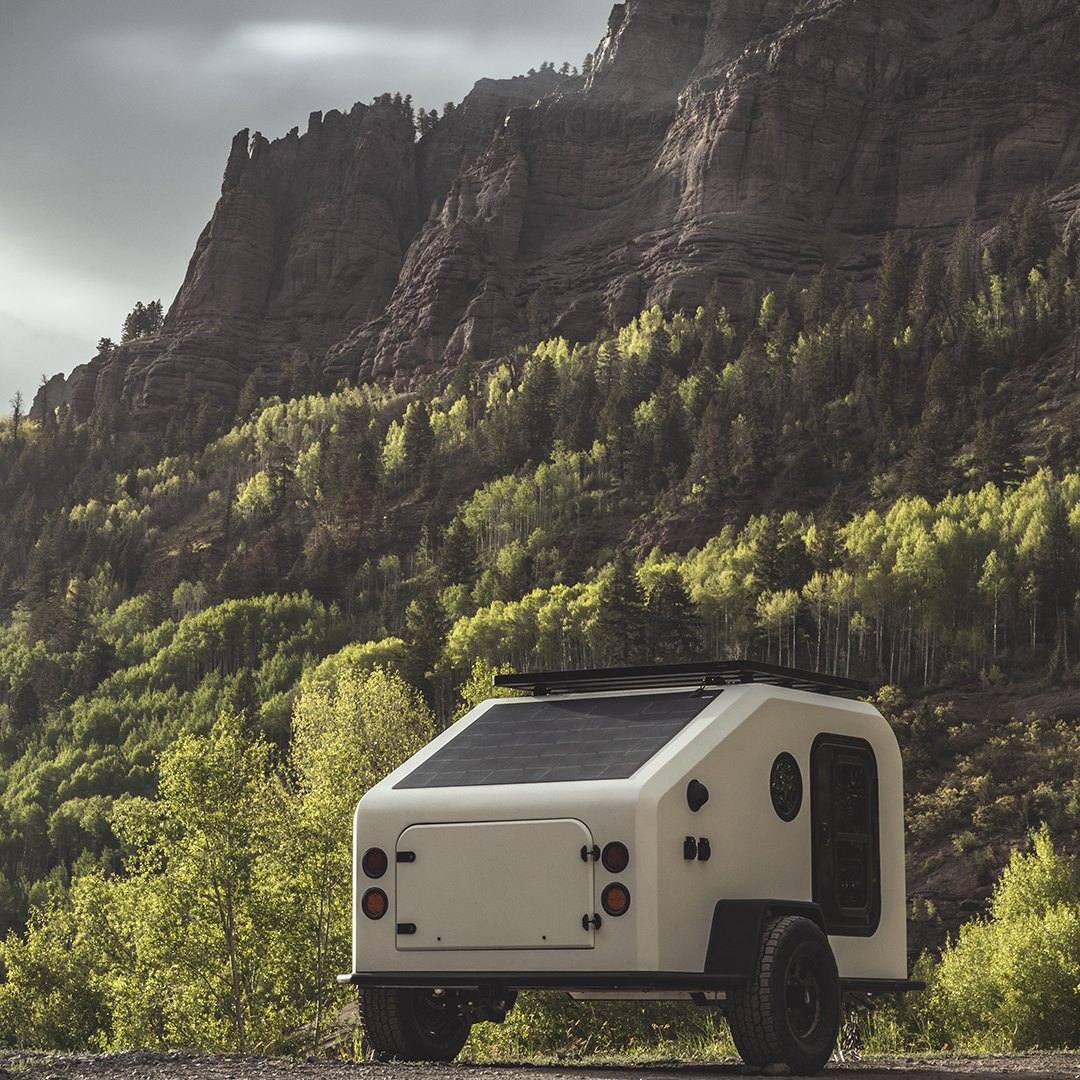
Power from the sun. Water in the walls. Heat, a bed, a way to cook. No propane, no hookups, nothing to plug into. Seventeen hundred and fifty pounds of composite that a single vehicle could tow anywhere. Later, a dish that put the entire internet on the roof.
Every constraint engineered out, one at a time, for seven years.
Build it correctly, produce it like a wartime effort, and I thought it would change the world.
One object cannot hold the complexity of the world. It cannot hold the complexity of one life.
A camping trailer is a camping trailer. I built the brand that said otherwise.
The leverage was never in the thing. It is in how we design businesses, products, systems and structures — and if we want a world that holds, every scale has to change at once.
I spent seven years perfecting the object. The object was never the point.
The wartime effort I wanted is real. It is just not needed in a factory.
It is needed in the ground. In soil, forest, water, and the slow repair of land.
In rebuilding trust between people.
In making real work for human hands, in a world being handed to machines.
We already have most of the building blocks. They need rearranging, not inventing.
Koolhaas organised a career by size. I am borrowing the structure at a fraction of the scale — my extra-large is somebody else's small, and I would rather say that out loud than let the framing imply otherwise. The point of the ordering is not the size of the work. It is that the same question recurs at every scale, and that the answers transfer far less cleanly than you would hope.
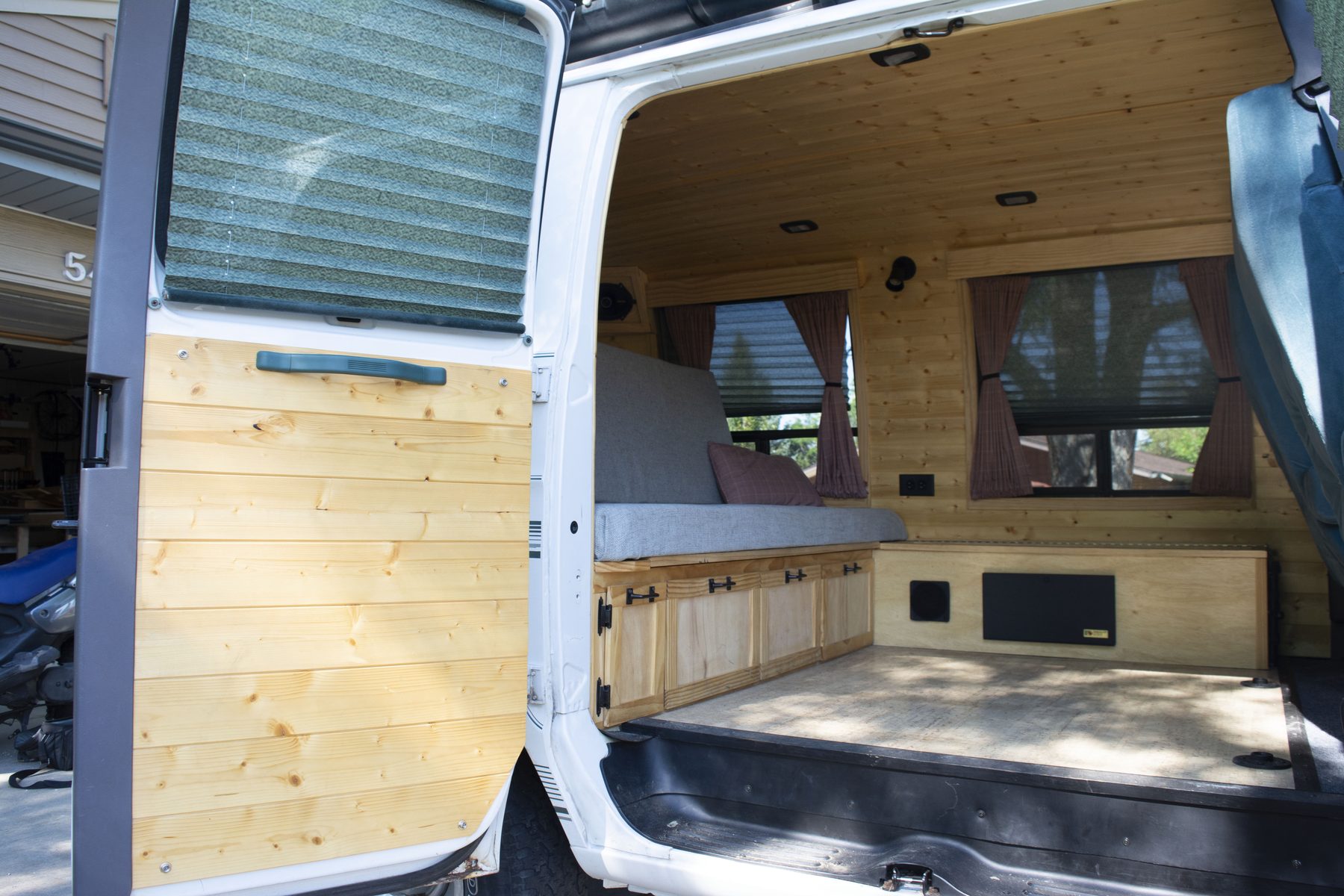
Things you can pick up, tow, or build in a shed. Where I learned tolerances, materials and the discipline of a bill of materials.
Buildings and shelters. Where the question stops being what it weighs and starts being how it is entered, lit, heated and left.
Watersheds, campuses, forest. Where you stop designing the thing and start designing the conditions, then wait.
Companies, operating models, economies. Where the design object is who decides what, and who gets what.
Seven years of running a business taught me more about systems than seven years of designing products did.
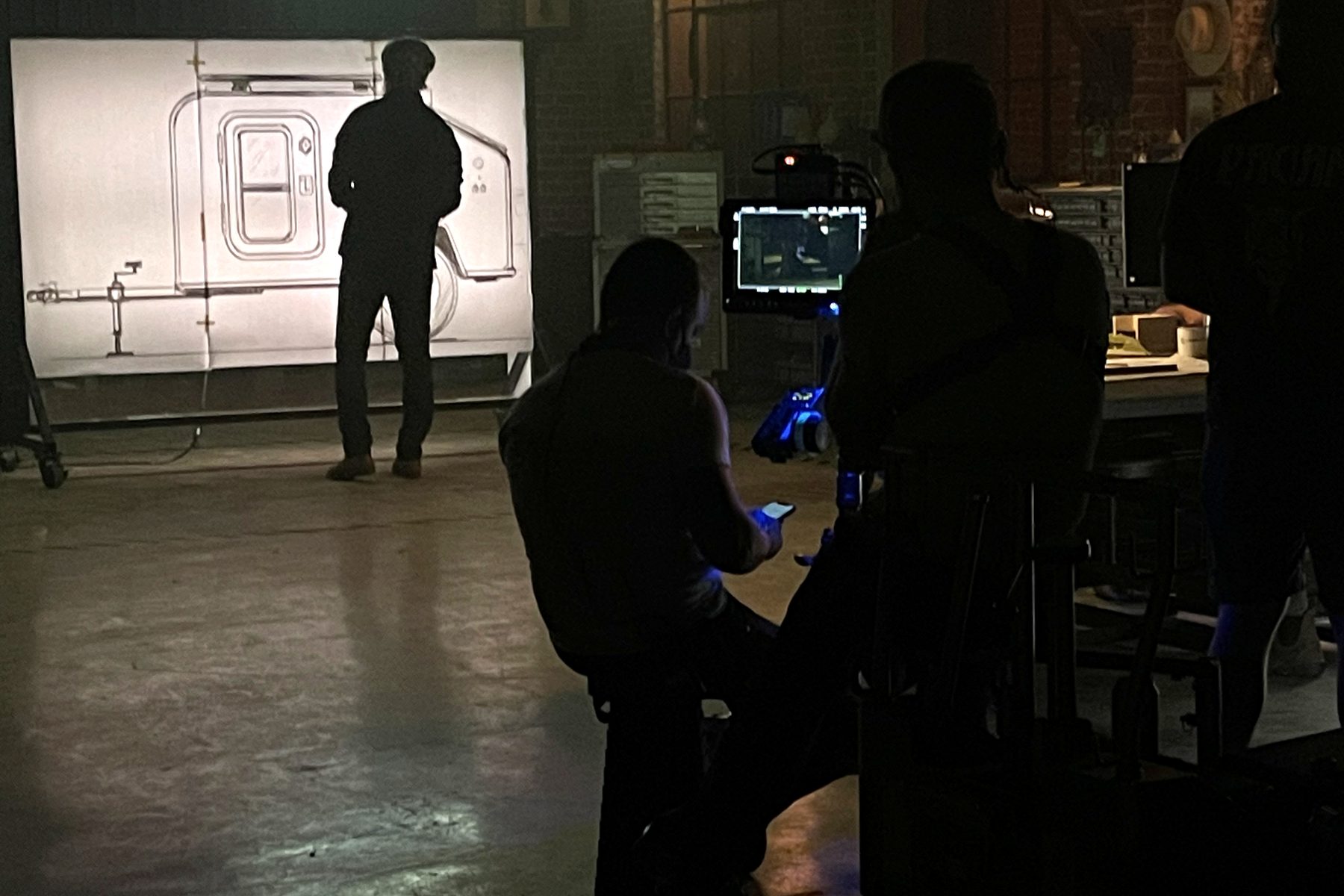
A company is a machine for deciding who gets what. Design that first or inherit it by accident.
Every company runs on one nobody designed. It has users, failure modes, and a real cost when it is ugly.
So the people are left with the part that needs judgment, care and hands.
I built a thing to get people outside, and spent seven years not going outside.
Since leaving, I have climbed more mountains than I did across the whole run of the company. Spent more nights out. Added two more dogs to the pack. Asked Mary Catherine to marry me.
Not a reward for finishing. Evidence. These are the things that make a life worth living, and I had built a company that quietly ate them.


Colorado, since 2026. The pack is four now.
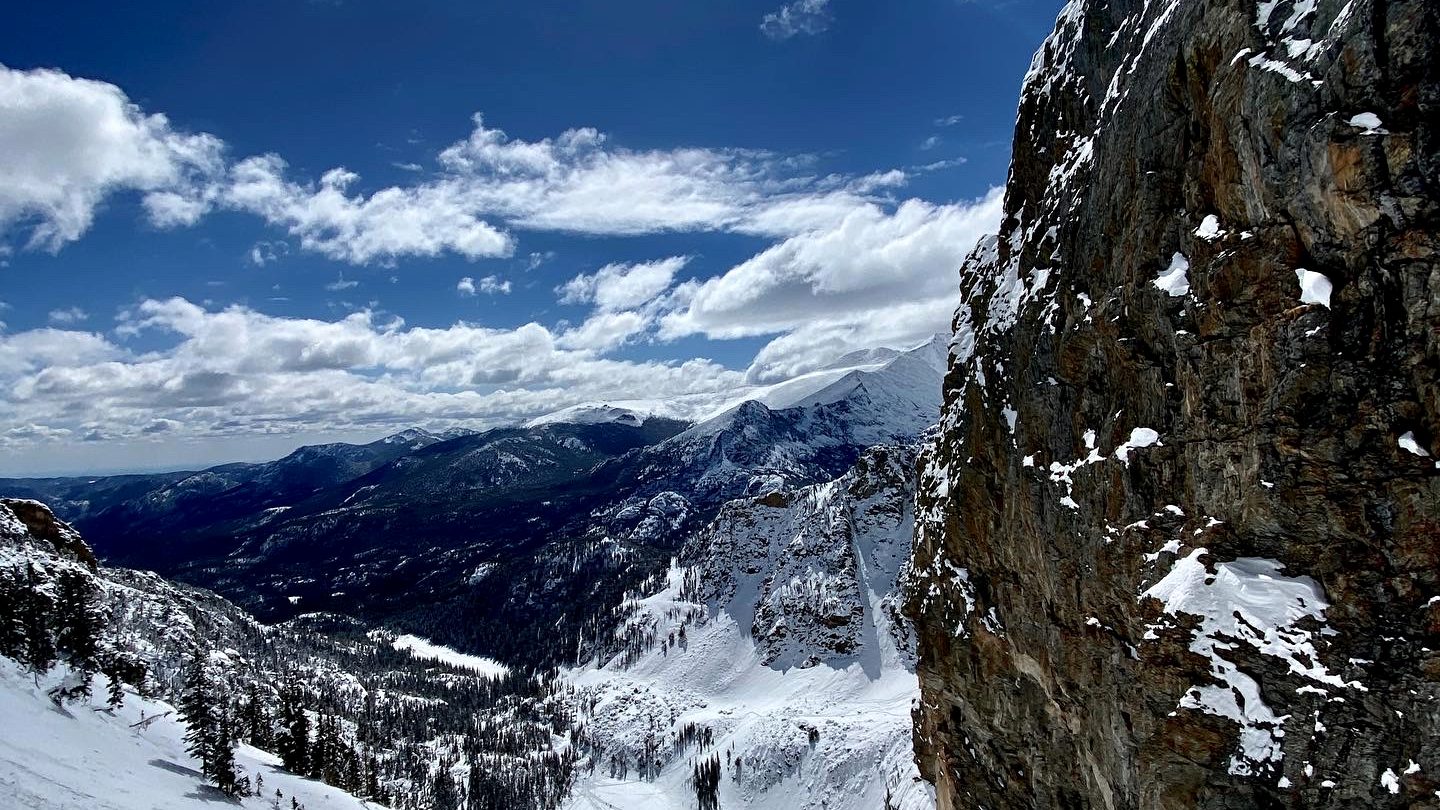
I spent my working days on 2,400 acres of ponderosa forest at 7,700 feet. Most of that work was repair.
And every week I watched the land do something nobody engineered. A drainage reroutes itself around a failure and does it better. Grass returns where you stop mowing. A pond fills on its own the moment you let the water reach it.
The planet mends. Slower than we would like, unevenly, not everywhere — but it mends, and it does most of the work itself if we stop interrupting.
People are the same, which is harder to say out loud right now.
So I have stopped designing escape hatches and started designing loops.
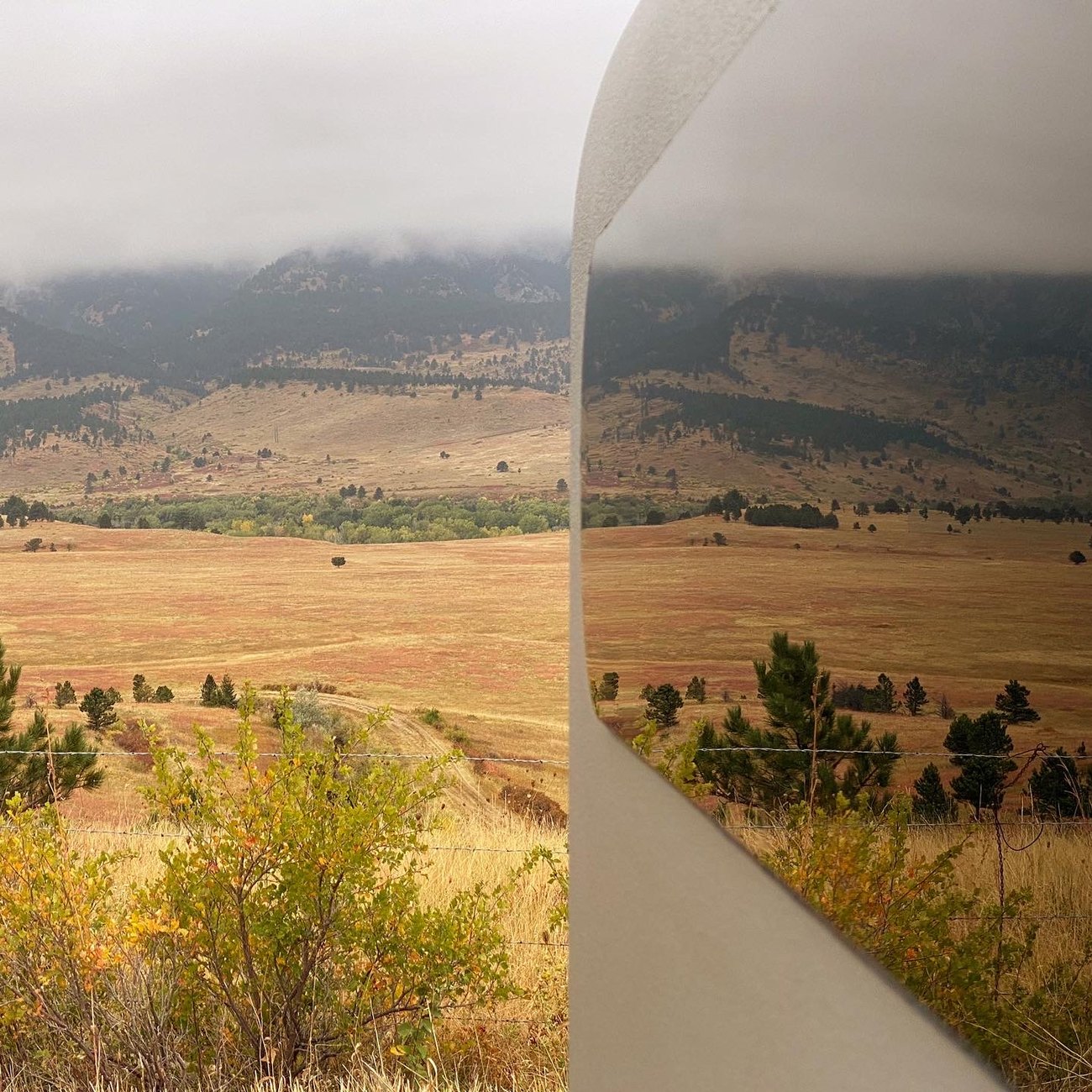
I wrote that line for Campworks. I mean something larger by it now.
Know your watershed. Know who grows your food and who fixes your road. Put the loop where you can see both ends of it — because a loop you can see is a loop you will actually close.
It is not a retreat from the global problem. It is the only scale at which most of us can do anything about it that is not a gesture.
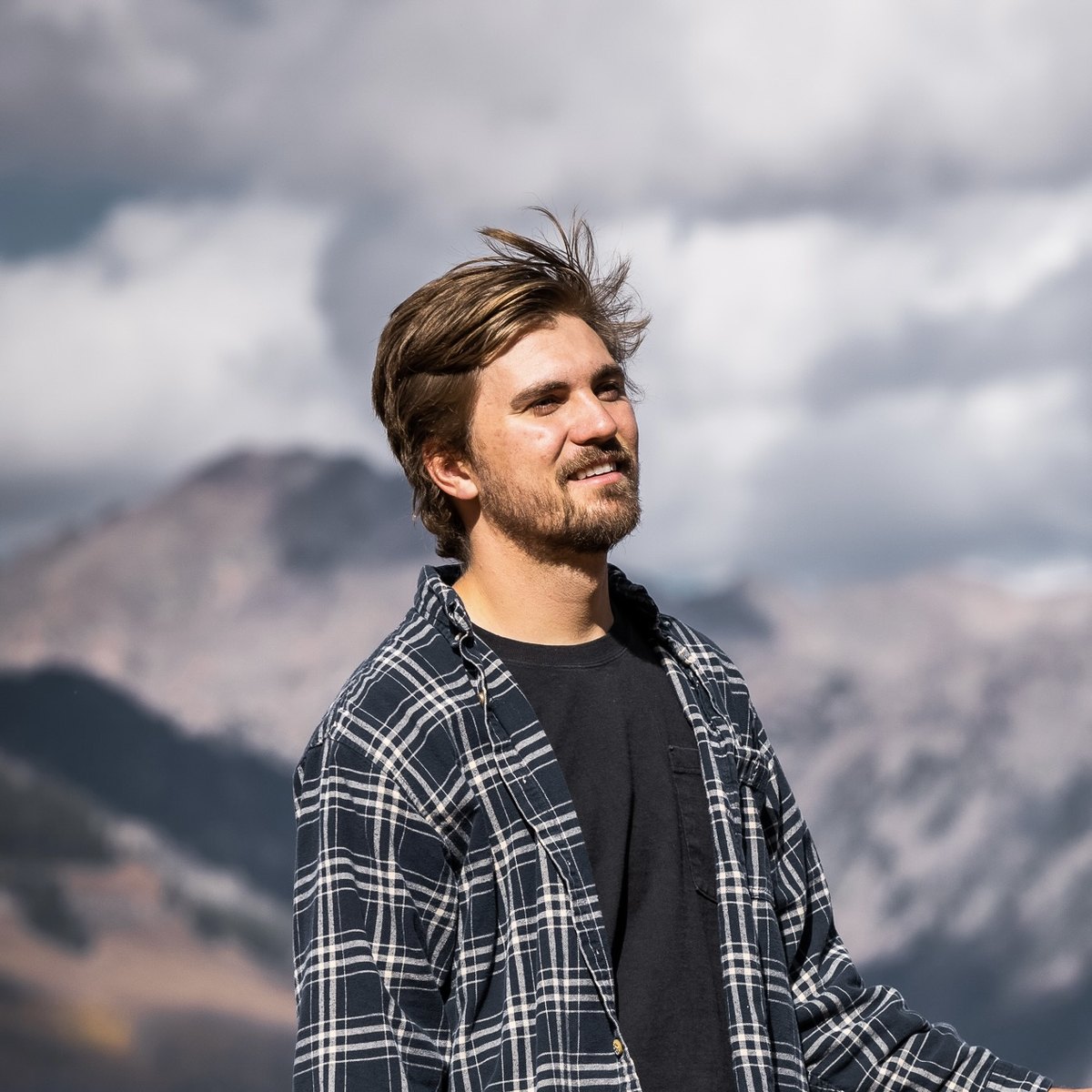
If any of this is an argument you want to have — as an investor, an employer, a partner, a former colleague, or someone who just disagrees — that is the conversation I am most interested in.
Start a conversation →Live where you are.
A line I wrote for Campworks. I still mean every word of it.